Your Eyes Are More Than a Sense Organ: What Routine Exams Reveal About Your Whole Body
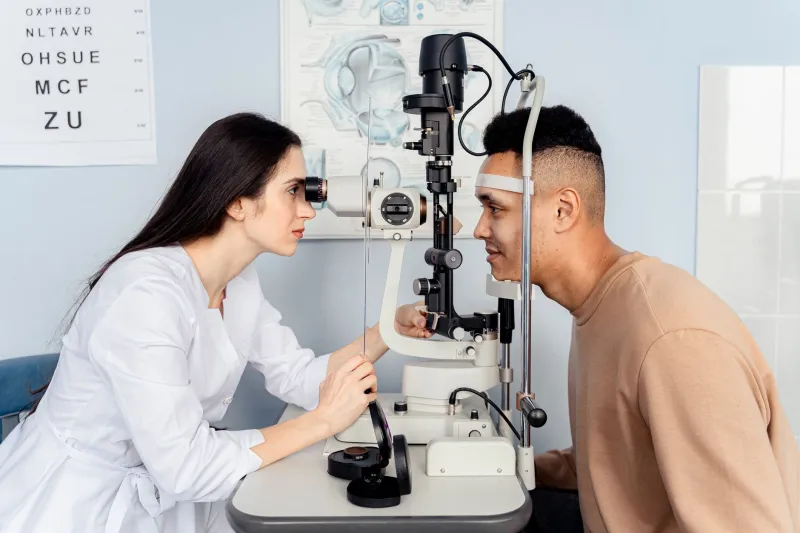
Most Americans schedule an eye exam when something feels wrong—blurred vision at the wheel, persistent headaches, or difficulty reading small print. What many do not realize is that by the time vision changes become noticeable, a systemic condition may already be well underway. The eye is, in a very literal sense, the only place in the human body where blood vessels can be observed directly, without surgery or imaging equipment. That makes a routine dilated eye exam one of the most quietly powerful diagnostic tools available to your healthcare team.
At Chestnut Ridge Center, we believe preventive care means looking at the whole person—not just the complaint that brought someone through the door. Eye health fits squarely within that philosophy, and the science behind it is worth understanding.
The Eye as a Diagnostic Portal
The retina, located at the back of the eye, is richly supplied with tiny blood vessels and nerve tissue that respond to changes throughout the body. When an eye care professional examines the retina during a dilated exam, they are observing a living map of your vascular and neurological health in real time. Abnormalities in these vessels—swelling, leakage, narrowing, or unusual branching patterns—can point toward conditions that have nothing to do with sight itself.
This is not a peripheral benefit of eye exams. It is central to why major health organizations consistently recommend routine ocular screenings for adults, particularly those over 40 or those with existing risk factors.
Diabetes: Often Seen Before It Is Felt
Diabetic retinopathy is one of the leading causes of preventable blindness among working-age adults in the United States. More significantly, the retinal changes associated with elevated blood sugar frequently appear before a person receives a formal diabetes diagnosis—or even before they experience any classic symptoms such as excessive thirst, fatigue, or frequent urination.
High blood glucose damages the small blood vessels throughout the body, and those in the retina are among the first to show the strain. Tiny hemorrhages, fluid leakage, and the growth of fragile new vessels can all be detected during a comprehensive eye exam. For a patient who has not yet been screened for diabetes, this finding can prompt the blood work and metabolic testing that leads to an earlier, more manageable diagnosis.
Early-stage diabetes responds far better to lifestyle intervention and, when necessary, medication than it does once complications have taken hold. An eye exam, in this context, is not just about protecting vision—it can redirect the entire trajectory of a patient's metabolic health.
Hypertension: The Pressure Your Eyes Register
High blood pressure is frequently called a silent condition because it produces no obvious symptoms in its early stages. Yet the retinal blood vessels are remarkably sensitive to sustained elevated pressure. A trained examiner can observe characteristic changes—arterial narrowing, nicking where arteries cross veins, copper or silver wire appearance in vessel walls—that suggest blood pressure has been elevated for some time.
In some cases, patients learn they may have hypertension during a routine eye appointment, well before a primary care visit would have caught it. Given that uncontrolled high blood pressure significantly raises the risk of stroke, heart attack, and kidney disease, this kind of early detection carries consequences far beyond the exam room.
Autoimmune and Inflammatory Conditions
The eye is also a common site of inflammation in several autoimmune disorders. Uveitis—inflammation of the middle layer of the eye—is associated with conditions including rheumatoid arthritis, lupus, ankylosing spondylitis, and inflammatory bowel disease. In some patients, recurring uveitis is the first clinical sign that an underlying autoimmune process is active.
Similarly, dry eye disease, while common and often attributed to screen time or environmental factors, can be a marker of Sjögren's syndrome, a systemic autoimmune condition that affects moisture-producing glands throughout the body. Identifying this connection early allows for appropriate rheumatological evaluation and treatment before the condition progresses to involve joints, organs, or other systems.
Neurological Health and the Optic Nerve
The optic nerve, which transmits visual information from the eye to the brain, can reflect neurological conditions that extend well beyond the eye itself. Swelling of the optic disc—a finding called papilledema—may indicate dangerously elevated pressure within the skull, sometimes associated with brain tumors, meningitis, or other serious conditions requiring urgent evaluation.
Glaucoma, which involves progressive damage to the optic nerve, is another condition that advances silently. By the time peripheral vision loss becomes apparent to the patient, significant and irreversible nerve damage has often already occurred. Routine intraocular pressure measurements and optic nerve assessments during eye exams allow for detection at a stage when treatment can meaningfully preserve function.
Emerging research also suggests that changes in the retina may serve as early biomarkers for neurodegenerative diseases, including Alzheimer's disease. While this area of study is still developing, it underscores the degree to which the eye reflects the health of the central nervous system.
Thyroid Disease and Ocular Signs
Thyroid conditions, particularly Graves' disease—an autoimmune disorder that causes hyperthyroidism—can produce distinctive eye changes. Thyroid eye disease involves inflammation and swelling of the tissues around and behind the eye, sometimes causing a characteristic bulging appearance, double vision, or difficulty closing the eyelids fully. These signs may appear before thyroid function tests return abnormal results, making the eye exam a potential early indicator of thyroid dysfunction.
Why Annual Exams Matter, Even Without Symptoms
The pattern across all of these conditions is consistent: ocular changes often precede symptoms that would otherwise prompt medical attention. This is the core argument for annual comprehensive eye exams, regardless of whether a person notices any visual difficulty.
In the United States, access to eye care has historically been treated as separate from general medical care—a specialty concern rather than a preventive priority. This separation has real costs. Conditions that could be identified and addressed early are instead discovered later, when treatment options are narrower and outcomes are less favorable.
For patients managing chronic conditions such as diabetes or hypertension, annual dilated eye exams are not optional. They are a standard component of disease management and monitoring. For those who have not yet been diagnosed with any chronic condition, they represent one of the most efficient forms of screening available.
What to Expect and How to Get Started
A comprehensive dilated eye exam typically takes between 30 and 60 minutes. Dilation drops are used to widen the pupil, allowing the examiner to view the retina and optic nerve in detail. Vision may remain slightly blurred for a few hours afterward, so patients may wish to arrange a ride home. The exam is generally comfortable and non-invasive.
If you have not had a comprehensive eye exam within the past year—or if you have never had one as an adult—we encourage you to raise it at your next appointment with your primary care provider at Chestnut Ridge Center. Your care team can help coordinate referrals and ensure that findings from any specialist are integrated into your overall health picture.
Seeing clearly is important. But what your eyes reveal about your health beneath the surface may be even more so.